London’s Exploitation of Africa: The Untold Story

When we think of London today, we picture a city full of life—iconic landmarks, royal palaces, and a rich cultural scene. But behind the grand facades, there’s a story many don’t talk about—a story of how London’s rise to power came at a great cost to Africa.

London didn’t just grow into the city we see today by chance. Much of its wealth and development can be traced back to the exploitation of Africa during the colonial era. And when I say exploitation, I mean a systematic draining of Africa’s natural resources, culture, and even people. Let’s dive into how this happened.
London’s Exploitation of Africa: The Untold Story

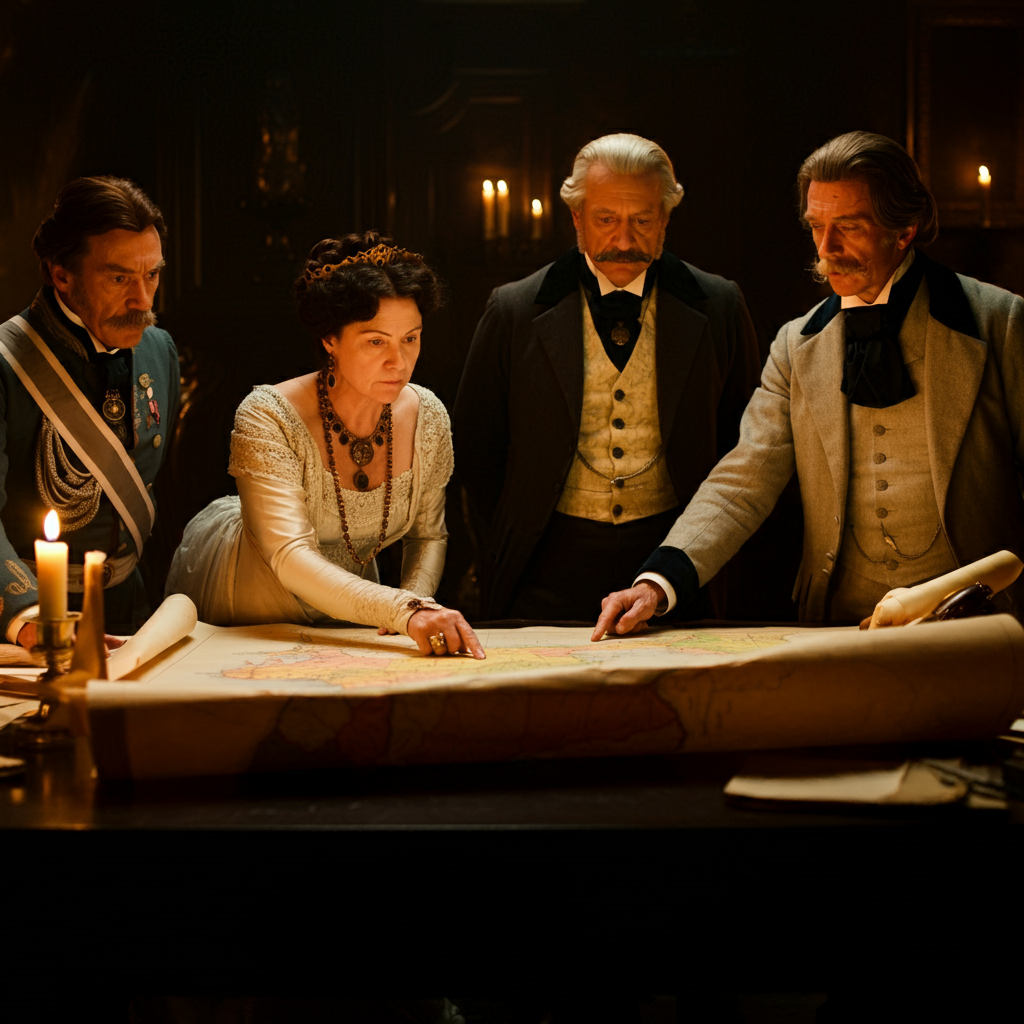
In the late 1800s, European powers—including Britain—saw Africa as a goldmine. And they weren’t wrong. The continent was brimming with resources: gold, diamonds, rubber, cocoa, ivory—you name it.

So, they scrambled for control, dividing Africa up like it was a cake to be shared. This process, known as the "Scramble for Africa," allowed Britain to establish colonies and take full control over large swaths of the continent.

London’s Exploitation of Africa: The Untold Story

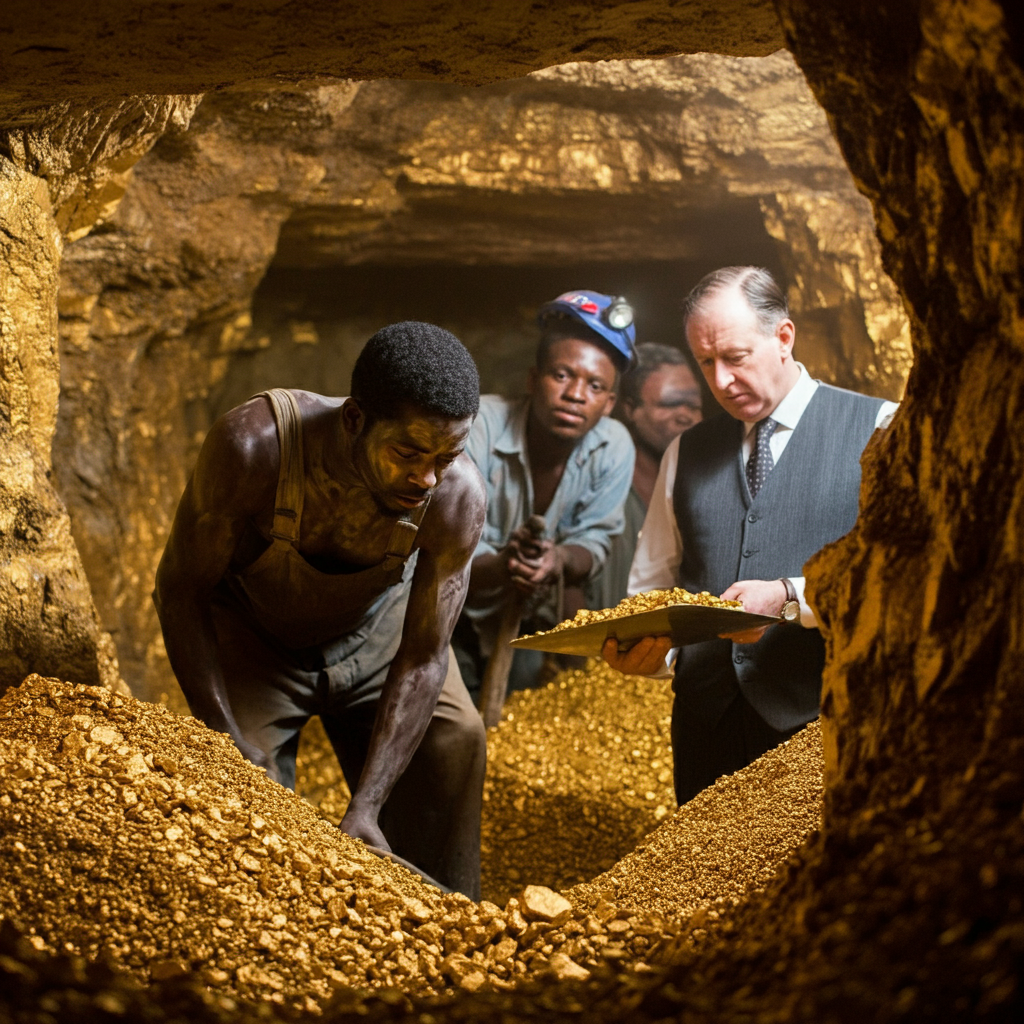
Let’s take South Africa as a prime example. When the British discovered diamonds and gold beneath South African soil, they wasted no time. Companies like De Beers, led by Cecil Rhodes (a name you’ve probably heard), essentially built an empire by mining African diamonds. Those diamonds—many of which ended up on London’s sparkling shelves—fueled Britain’s economic growth.

Then there was the gold. The gold mined from South Africa filled London’s banks and made them even more powerful. While London prospered, African miners toiled in dangerous conditions for a fraction of the wealth their land produced.

London’s Exploitation of Africa: The Untold Story

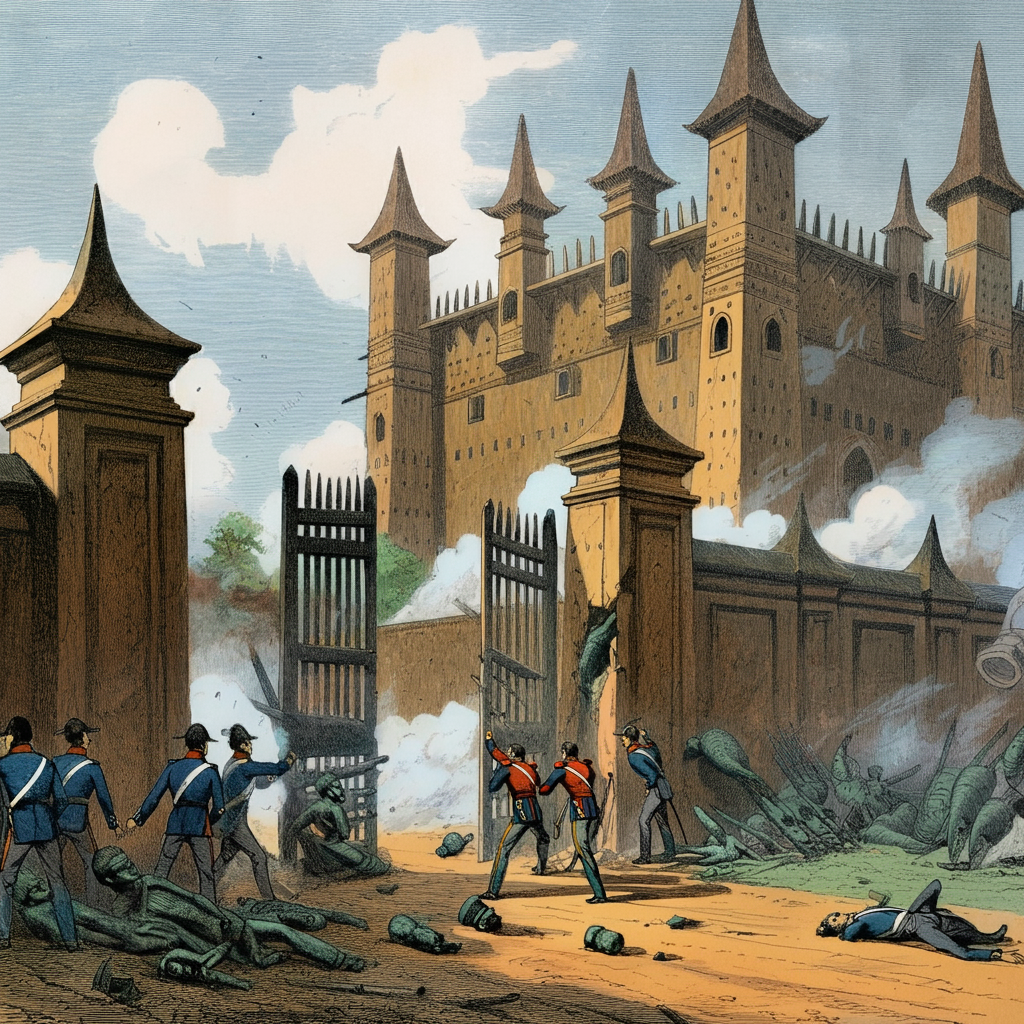
It wasn’t just about minerals. British troops often looted entire African kingdoms. The Benin Bronzes are a great example. In 1897, British soldiers stormed the Kingdom of Benin (modern-day Nigeria), destroyed it, and took away incredible bronze sculptures that had been crafted for centuries. Today, many of these priceless artworks sit in British museums. You can walk into the British Museum or the Victoria and Albert Museum and see these treasures, knowing they were taken by force.

The same thing happened in Ghana, where the British fought wars against the Asante Kingdom. They stole vast amounts of gold, including sacred treasures, and shipped them back to London. It’s hard to even imagine how much wealth was taken, but what’s clear is that Africa’s cultural and economic riches were drained to build British fortunes.

London’s Exploitation of Africa: The Untold Story

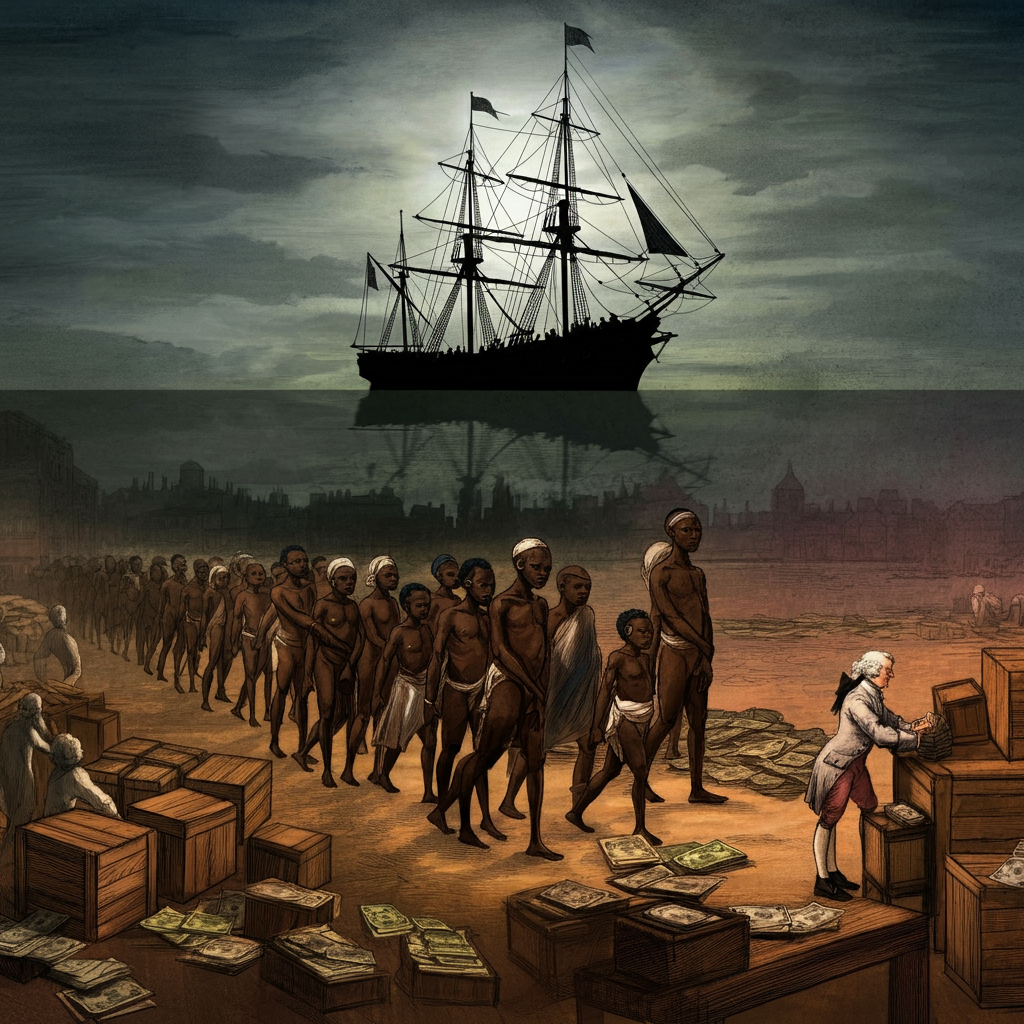
And then, there’s the darkest chapter of all—slavery. Britain was a key player in the transatlantic slave trade, which forcibly took millions of Africans from their homes and shipped them to the Americas. These people were sold into slavery, working on plantations to produce goods like sugar, tobacco, and cotton, which made their way back to Europe.

The profits from this brutal trade weren’t just made by slave traders—many of London’s wealthiest families and institutions benefitted. Banks, insurance companies, even universities were funded by money made from slavery. Some of the grand buildings you see in London today were built using this blood money.

London’s Exploitation of Africa: The Untold Story

Even after slavery ended, Britain continued to exploit African labor. Africans were forced to grow cash crops like rubber and cocoa, often under horrific conditions.

This labor produced goods that were shipped to Britain, sold, and used to fuel the growing industrial revolution. While London’s factories boomed and its markets grew, African workers saw little to none of the profit.

London’s Exploitation of Africa: The Untold Story

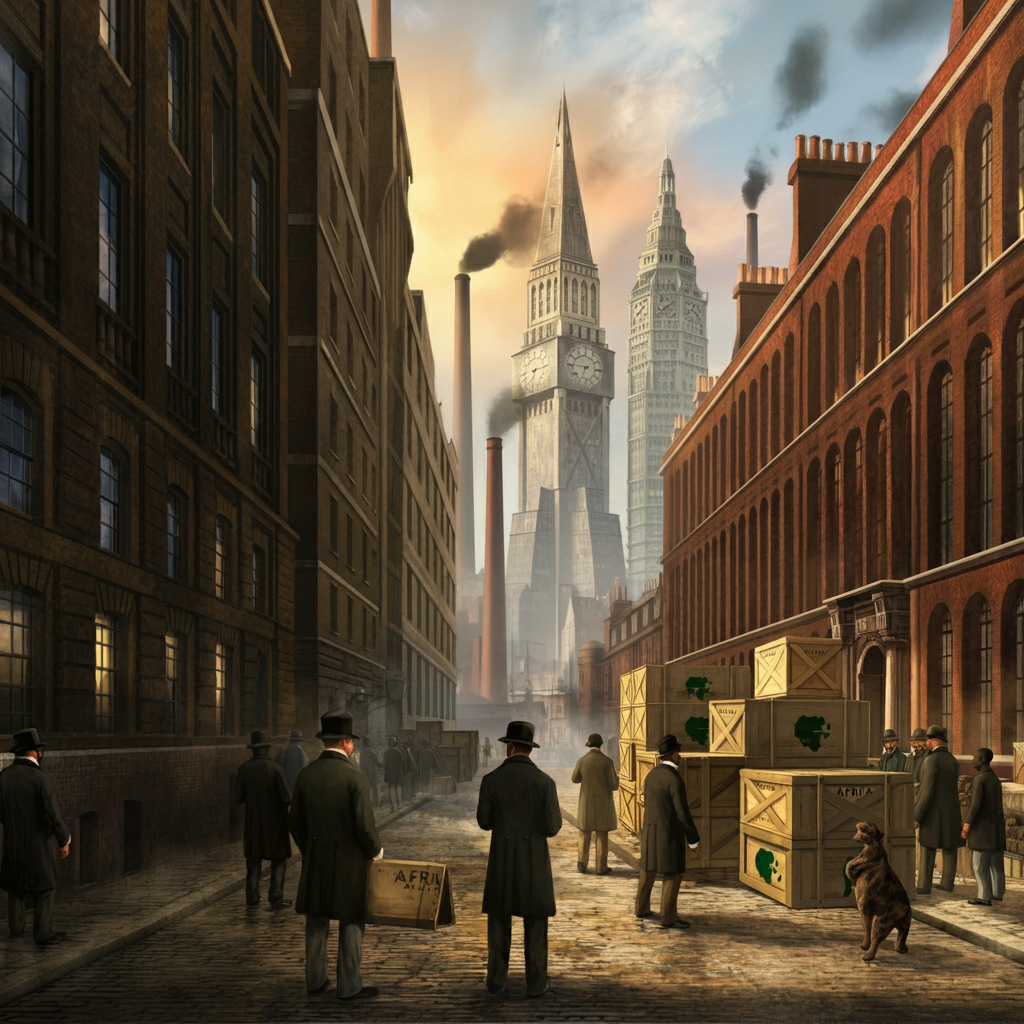
So, how did all of this affect London? The wealth from Africa wasn’t just a number on a piece of paper—it physically shaped the city. Major construction projects, the expansion of industries, and even cultural institutions like museums were funded by the wealth taken from Africa.

London’s financial district became a global powerhouse, trading on goods and wealth pulled from the colonies. Even today, when you walk through certain parts of London, you’re surrounded by reminders of this colonial past, whether you realize it or not.

London’s Exploitation of Africa: The Untold Story

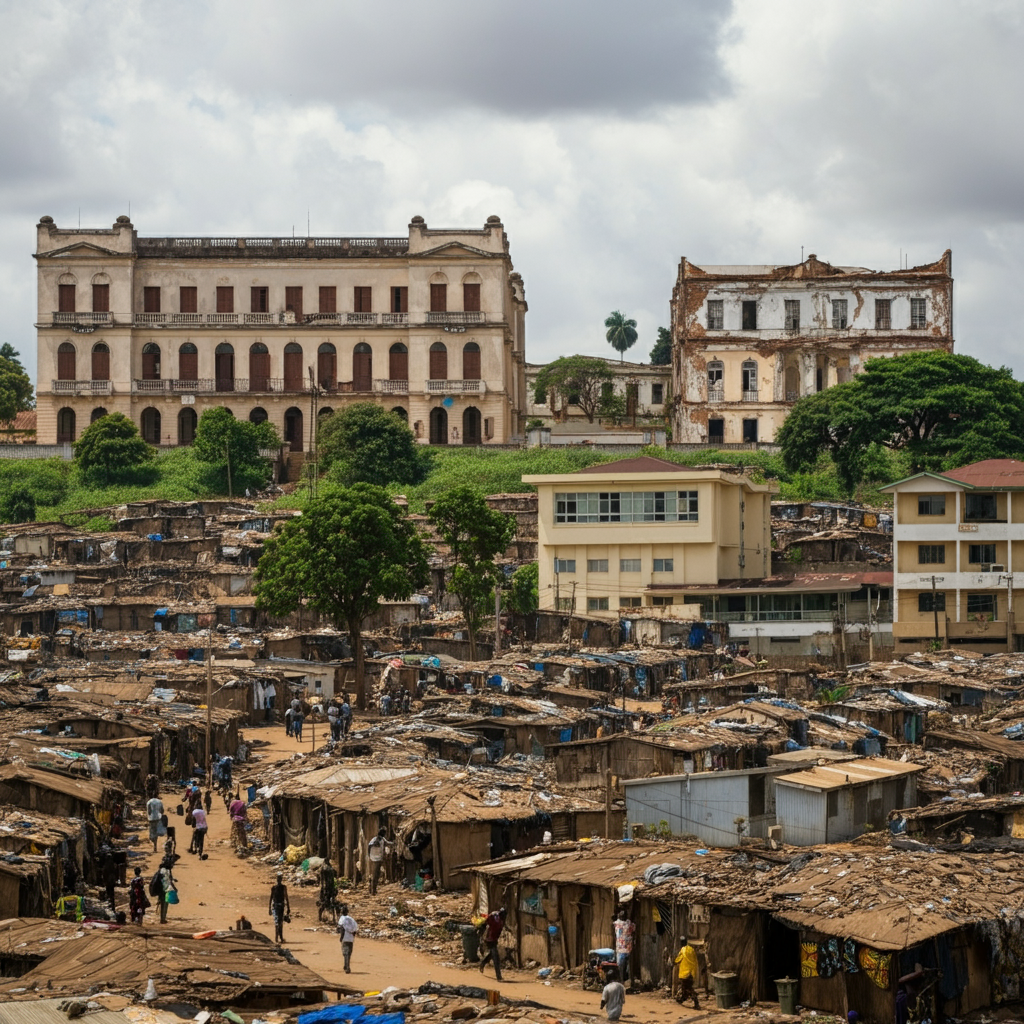
While London flourished, African nations were left devastated. Colonization left many African countries struggling with poverty, political instability, and underdevelopment. Even decades after gaining independence, these countries still grapple with the long-lasting effects of colonial exploitation.

In the end, London’s wealth and success came at a tremendous human and cultural cost for Africa. And that’s a reality we can’t ignore. As people, we owe it to ourselves to acknowledge how much of the world’s beauty, history, and culture was built on the backs of others—and how that story continues to shape our world today. Head over to our YouTube Channel to watch full video

0 Comments

Leave a Reply

Your name would be published. Required fields are marked *