The Rise and Fall of the Wall of Benin: A Forgotten Wonder

Hidden deep in the history of Nigeria is one of the greatest architectural feats that many people today have never even heard of—the Wall of Benin. This wall was more than just a physical barrier; it was a symbol of power, pride, and protection for the ancient Benin Kingdom. For centuries, it stood tall, guarding a civilization that thrived in the heart of Africa.

But like all great things, its rise was followed by a tragic fall, leaving behind only ruins and stories that remind us of what once was.
The Rise and Fall of the Wall of Benin: A Forgotten Wonder

At its peak, the Benin Kingdom was one of the most advanced and wealthy empires in Africa. By the 13th century, the kingdom had grown into a bustling center of trade, culture, and politics. But with success came threats—neighboring kingdoms and foreign invaders constantly lurked, ready to seize the wealth and prosperity of Benin.

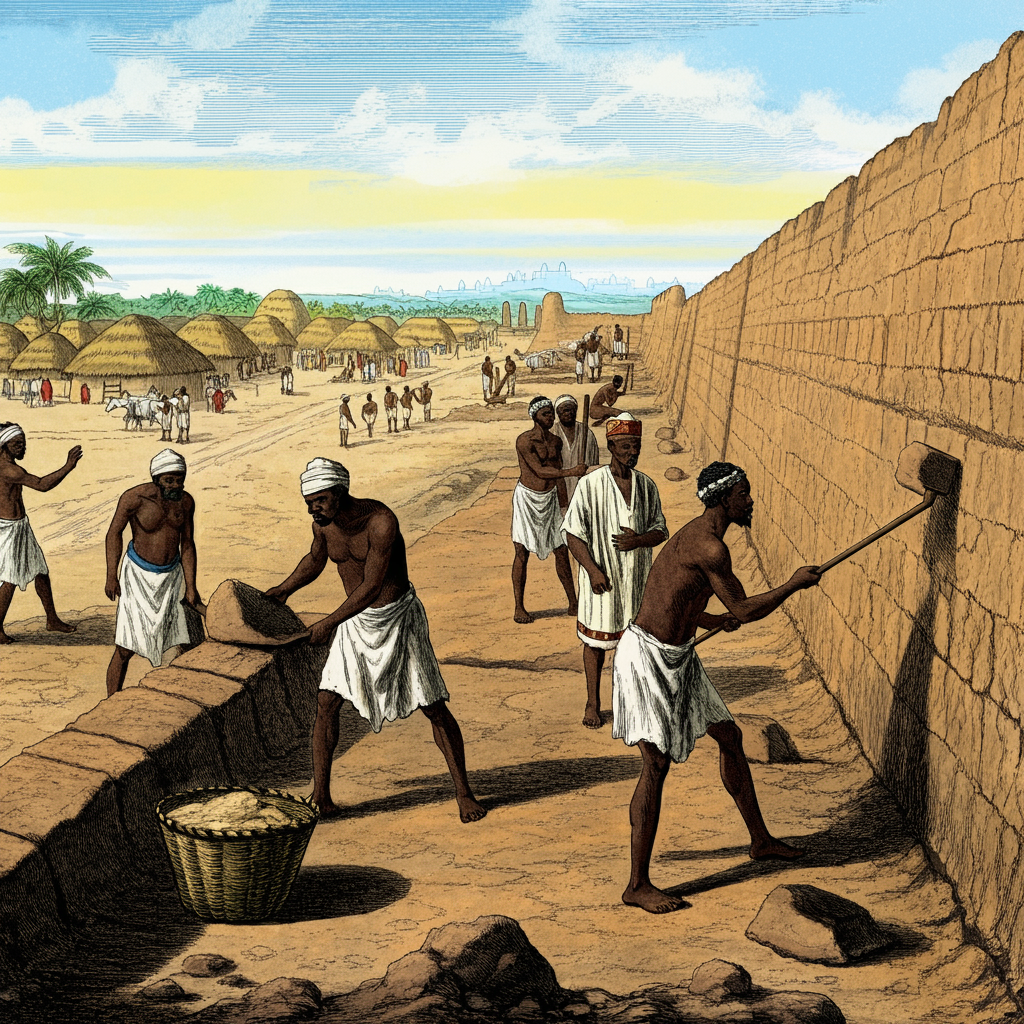
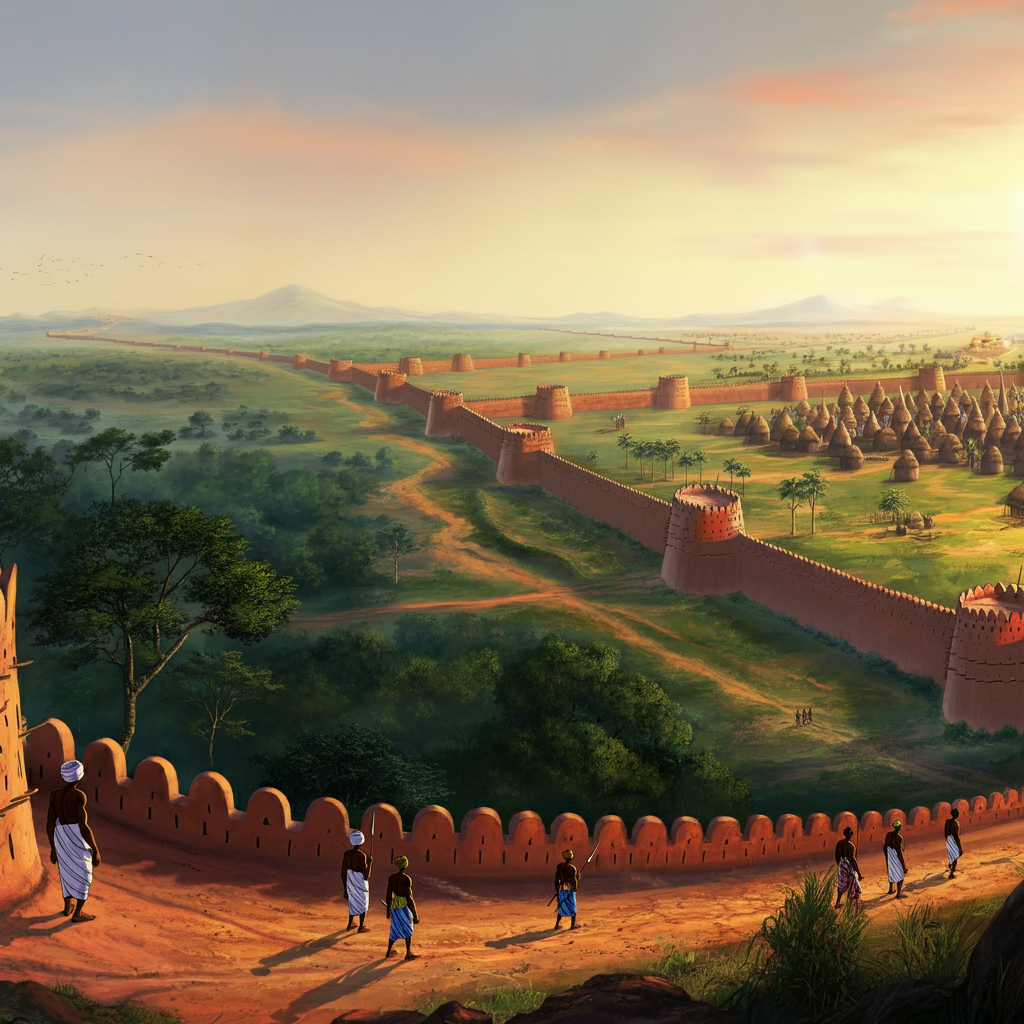
To protect the kingdom, the Obas (kings) of Benin embarked on an extraordinary project—an earthen wall unlike anything the world had ever seen. The Wall of Benin stretched over 16,000 kilometers, surrounding the city of Benin and its surrounding territories. It wasn’t just a single wall but a series of interconnected walls and deep moats designed to keep enemies out. Built entirely by hand, using mud, clay, and earth, it took hundreds of years to complete, with generation after generation contributing to its construction.

The Rise and Fall of the Wall of Benin: A Forgotten Wonder

In its prime, the Wall of Benin was the largest man-made earthwork in the world, even larger than the Great Wall of China by total length.

It was a testament to the ingenuity and determination of the Benin people. But beyond its physical structure, the wall was also a symbol of the kingdom’s unity and strength.

The Rise and Fall of the Wall of Benin: A Forgotten Wonder

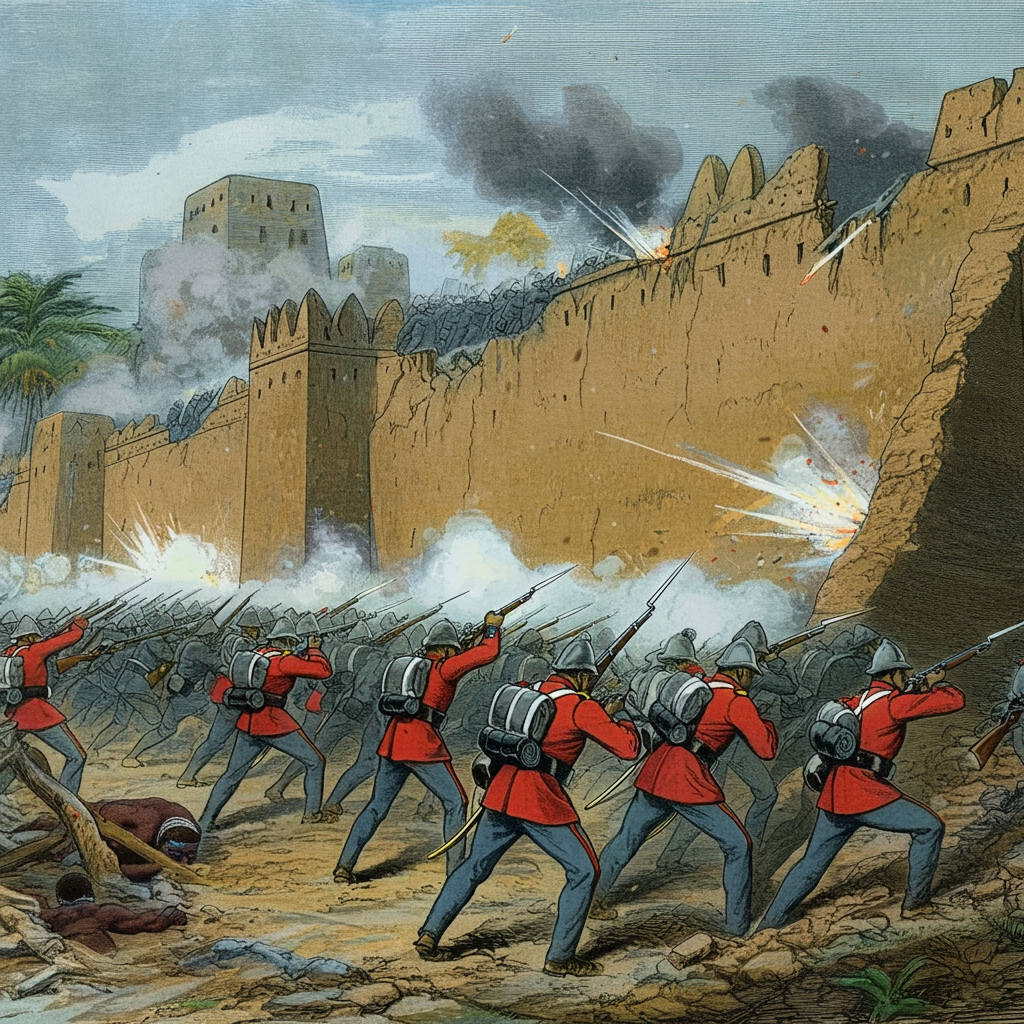
For centuries, the Wall of Benin stood as a proud reminder of the kingdom’s resilience. However, the 19th century brought a new kind of enemy—European colonizers. In 1897, the British Empire launched a military expedition known as the Benin Punitive Expedition, aimed at taking control of Benin and its riches. Benin’s powerful walls could do little to stop the British forces armed with modern weapons. The city was burned to the ground, and many parts of the wall were destroyed in the chaos. The once-thriving kingdom was left in ruins, and much of its wealth, including priceless bronze artwork, was looted and taken to Europe.

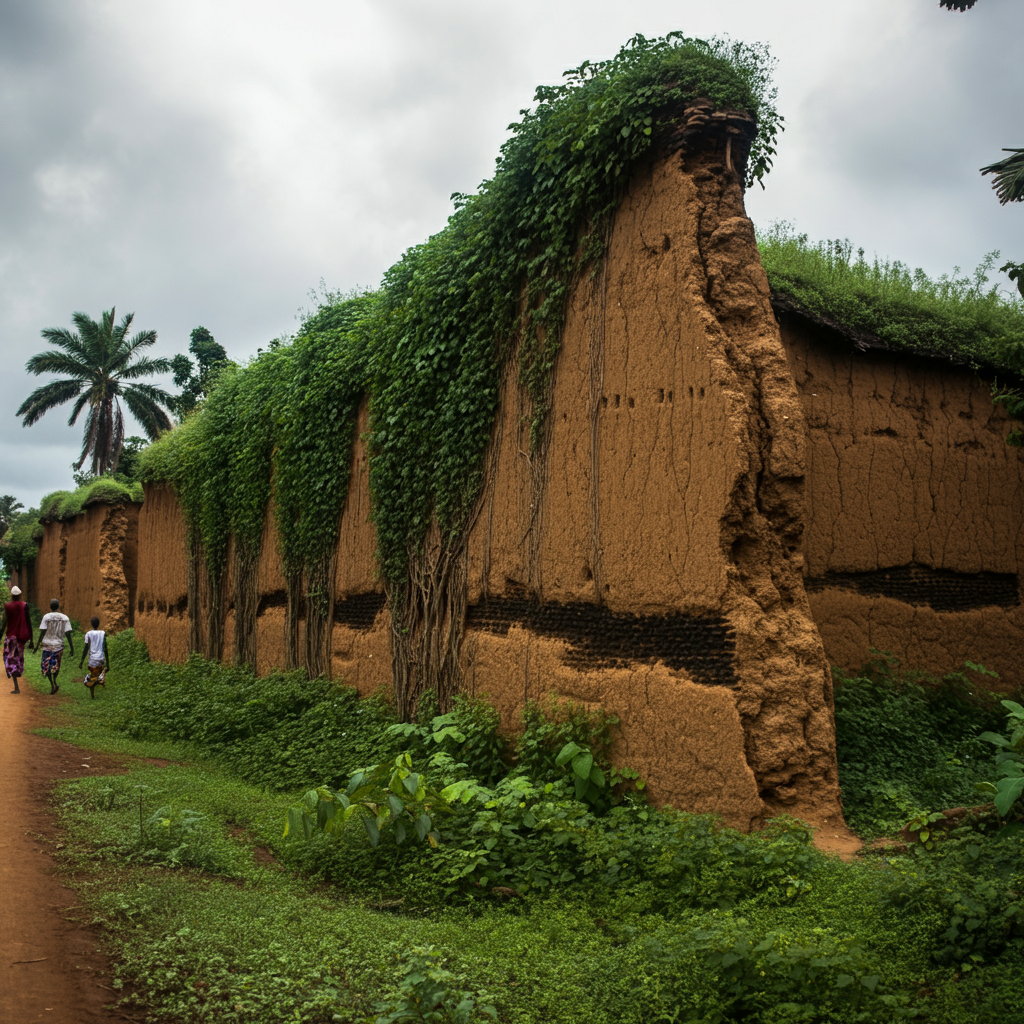
The destruction of the Wall of Benin marked the fall of one of Africa’s greatest empires. While some sections of the wall still stand today, most of it has been eroded by time, urbanization, and neglect. The ruins, though crumbling, tell the story of a kingdom that once commanded respect and awe across the African continent.

The Rise and Fall of the Wall of Benin: A Forgotten Wonder

Today, the Wall of Benin is often overlooked, even in discussions of ancient wonders. But for those who know its history, it remains a powerful symbol of what African civilizations were capable of long before colonial forces arrived. The wall is a reminder of the engineering brilliance and cultural richness of the Benin Kingdom, as well as the devastation brought by foreign invasion.

The rise and fall of the Wall of Benin is more than a tale of bricks and mortar. It’s the story of a people’s determination to protect their way of life, and the loss of a heritage that was forcibly taken. Though much of it lies in ruins, the Wall of Benin continues to stand as a monument to Africa’s rich and often forgotten past. Head over to our YouTube channel ▶️ to watch the full video

0 Comments

Leave a Reply

Your name would be published. Required fields are marked *